Mother’s Day is often talked about in terms of brunch bookings, gift ideas, and finding something “special enough.” But when you look at it through a child’s perspective, especially in spaces like OSHC or classrooms… it becomes something much simpler, and honestly, a lot more meaningful. It’s not about the perfect gift. It’s about the feeling behind it.
The way children see it…
Young children don’t really approach Mother’s Day as a “holiday” in the way adults do. They’re not thinking about planning or presentation. They’re thinking about people.
Psychologist, Jean Piaget’s theory of cognitive development, shows that children tend to understand special occasions through experiences and emotions rather than commercial ideas. In other words, it’s less “what do I buy?” and more “how do I show I care?”
Most of the time, that shows up in really simple ways:
- Wanting to make something with their own hands
- Talking about their mum, dad or guardian figure with real pride
- Focusing on spending time together rather than the day itself
It’s actually quite grounding when you see it in practice. Children cut straight through the noise.
Handmade always wins in their world
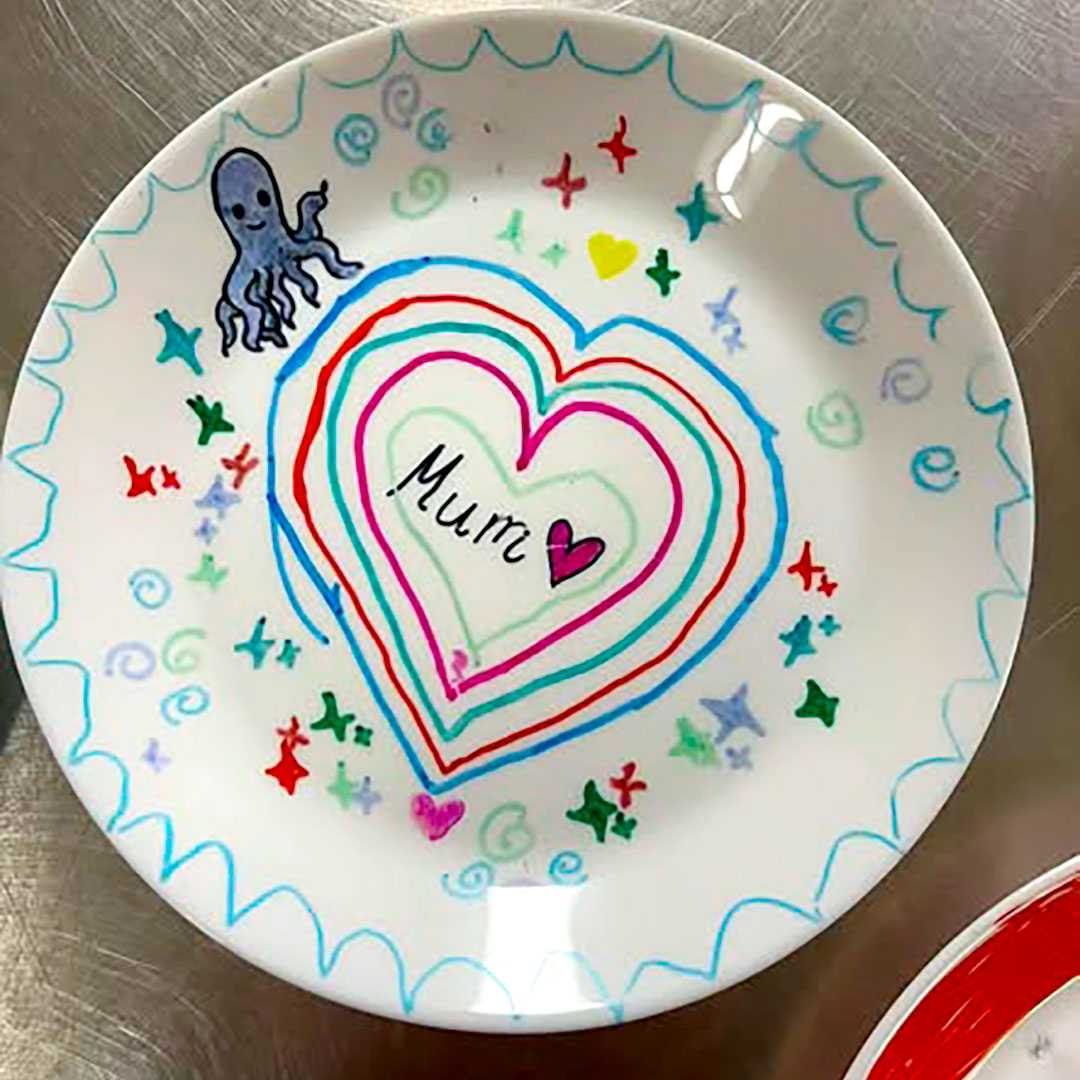
If you’ve ever worked in OSHC in the lead-up to Mother’s Day, you’ll know exactly what this looks like…tables covered in paper, glue, glitter, drawings, and a lot of concentration.
And the thing is, children don’t see these as “craft activities.” They see them as meaning. The Early Years Learning Framework highlights that creative expression helps children process emotions and build connection with the people they care about. But even without the research, you can see it in real time with a slightly wonky card or paint-covered handprint often getting more excitement than anything bought in a shop.
Not because it’s perfect, but because it’s theirs. Educators often notice that children put a huge amount of emotional energy into these pieces. There’s pride in it. They’ll hold onto it, talk about it, and can’t wait to give it away.
The ripple effect at home
What’s interesting is how much impact these small moments actually have. Parents often talk about handmade gifts or school/OSHC activities as the things they remember most, not because they’re elaborate, but because they feel personal.
A card made in ten minutes at an OSHC table can end up being something a parent keeps for years.
Why OSHC makes these moments even bigger
In OSHC, Mother’s Day isn’t just a craft activity, it’s part of how children learn to express gratitude and connection in a group setting.
They’re also learning things like:
- How to express feelings in different ways
- How to create something for someone else
- How to talk about the people who matter to them
And often, the most powerful part is the pride afterwards. That moment when they say, “I made this for my mum,” like it’s the most important thing they’ve ever created. In a way, it is.
It’s not really about the day
When you strip everything back, children don’t really “celebrate” Mother’s Day the way adults organise it. They feel it. Through drawings, messy crafts, big hugs, and very simple words, they’re showing something pretty pure: appreciation without overthinking it.
And in TeamKids spaces, you really see it take over in the best way…tables full of projects, conversations about who they’re making things for, and that quiet buzz of excitement as children pour themselves into creating something for someone they love.
And maybe that’s the part worth holding onto, the reminder that connection doesn’t need to be complicated. Sometimes it really is just: “I made this for you because I love you.”
Book now and share in the moments that matter most this Mother’s Day https://www.teamkids.com.au/venues/